Packaging for Africa-Europe Export
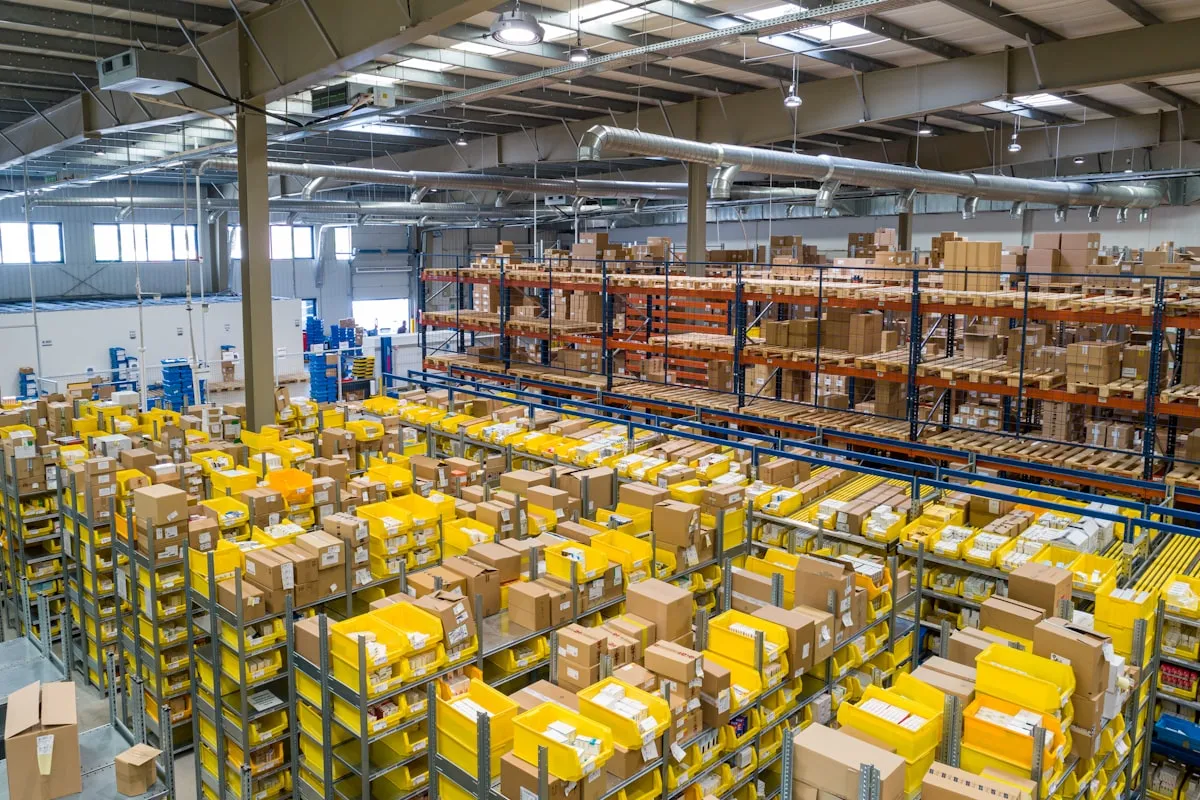
Packaging represents 5% to 15% of the total cost of an intercontinental Africa-Europe shipment, but poor packaging can make the bill explode well beyond: breakage, returns, customs seizure, or phytosanitary refusal. Mastering export packaging rules is an often underestimated profitability lever.
European phytosanitary standards (ISPM-15) impose strict constraints on wood packaging from Africa. All solid wood (pallets, crates, wedging) must be heat-treated and marked with the IPPC logo. Non-compliance leads to destruction or return of goods at the sender's expense. Alternatives — reinforced cardboard, recycled plastic, coconut fiber packaging — are gaining popularity.
Volumetric weight is the classic trap for beginner shippers. Carriers charge whichever is higher between actual weight and volumetric weight (length × width × height ÷ 5000 for air freight). A poorly optimized package can cost 3 times more than necessary. The art of export packaging is minimizing volume while protecting contents: custom-fit packaging, molded cushioning, elimination of empty spaces.
Packaging traceability has become a regulatory issue. The European Union requires precise information about packaging materials (recyclability, presence of regulated substances). The EUDR regulation (deforestation) requires proof that wood or paper packaging doesn't come from deforested areas. African exporters must document the origin of their packaging materials.
Packaging is also a marketing tool for African products sold in Europe. Careful packaging with authentic visuals and product origin information reinforces quality perception. European consumers value eco-design: biodegradable packaging, vegetable inks, plastic-free. Good packaging can justify a 15-25% price premium.
Overall logistics optimization requires standardizing packaging formats. Dimensions that stack perfectly on a euro-pallet (1200×800mm) maximize container fill rates. For individual e-commerce shipments, formats fitting European mailboxes (max 35×25×3cm) prevent delivery failures. Every centimeter counts in intercontinental commerce profitability.